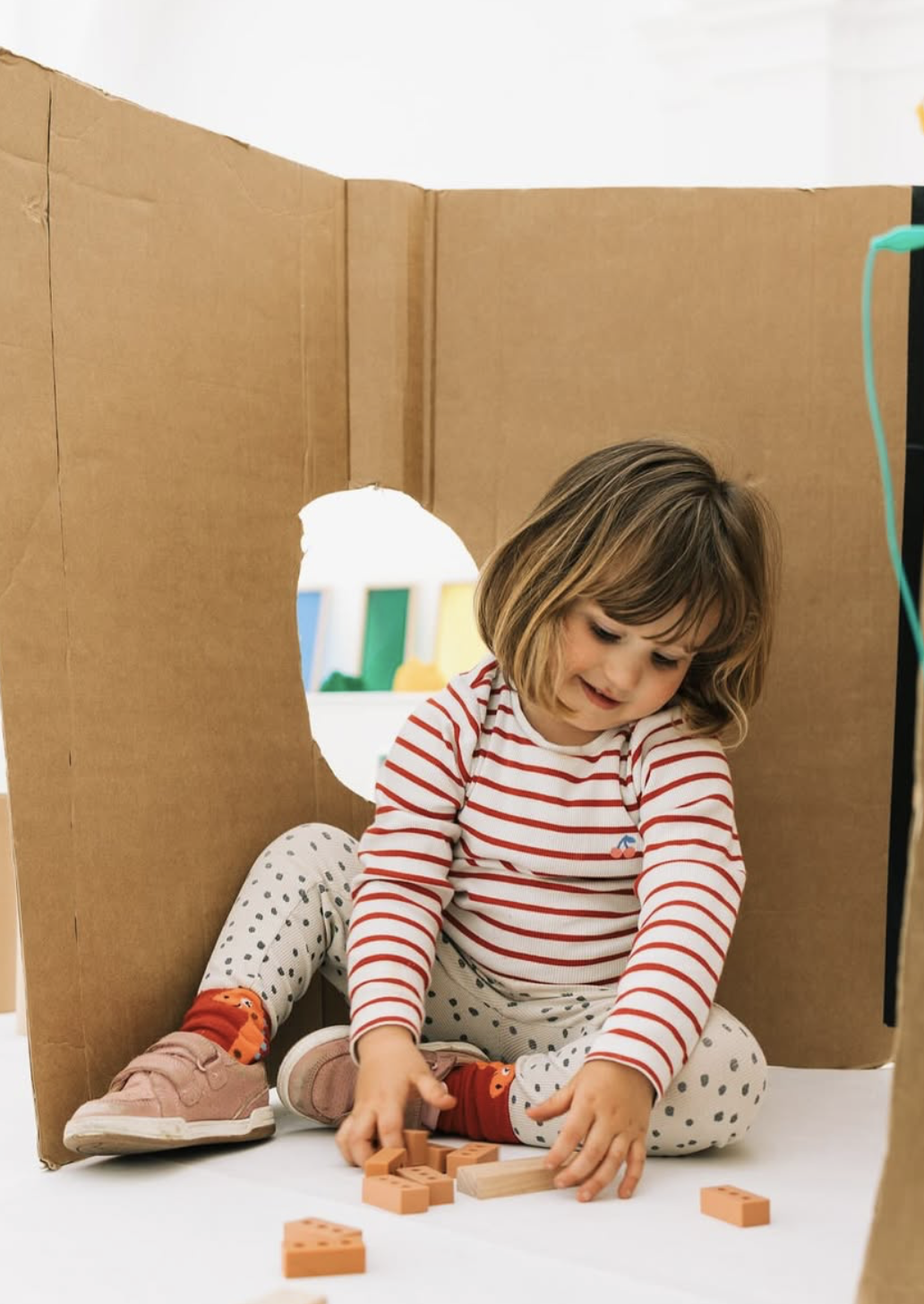
Why is play so important?
Play isn’t just play… it’s essential for brain development!
Children make sense of the world around them through play.
Scientific evidence shows us that the most important period for childrens development is from birth to 8 years old.
Research shows that child led play is fundamental for healthy brain development in the early years and sets strong foundations for success into adulthood.
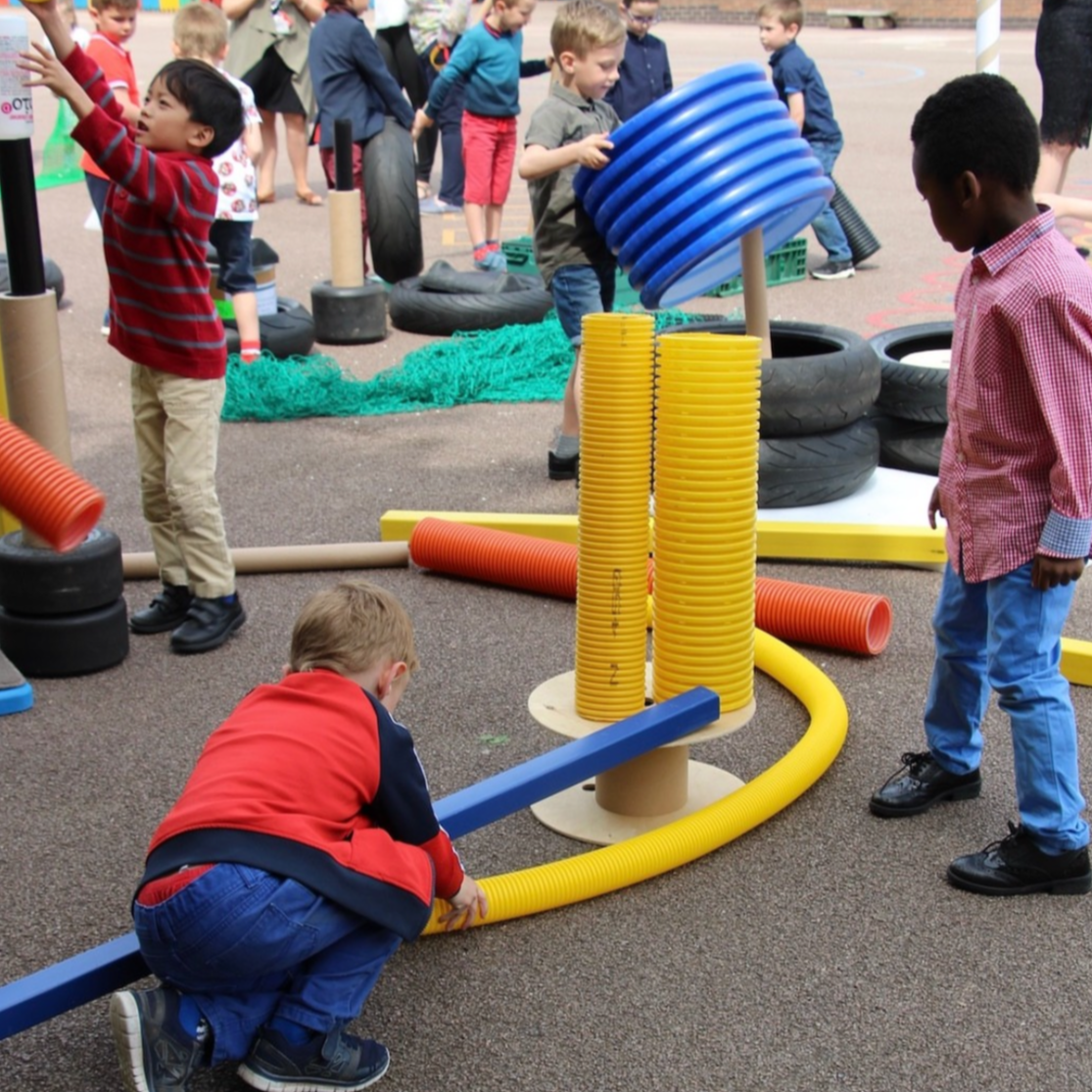
What is child-led play?
Children are wired to play. True meaningful play that supports development happens when it’s directed by the children and not by the adults. Our role is to facilitate it, by creating a safe play environment and stepping in when needed or called upon. Child -led play strengthens core life skills like problem solving, regulating emotions, decision making and creativity.
-
Play activates the front part of the brain called the neocortex. This is the part of the brain where we balance emotions, make decisions and decipher problems. The more developed this area of the brain is, the better we are at navigating complex social scenarios.
Child led play alters the brains neurological connections. These neurons are responsible for important developmental skills and without child led playful experiences, prefrontal brain development does not happen. Child led play encourages children to use their imaginations, dexterity, physical, cognitive and emotional skills.velopment
-
Children have an innate curiosity and drive to play. Child led play highlights a child’s creativity and imagination, developing their divergent thinking skills- also know as “thinking outside of the box”.
A studied conducted by NASA in 1968, found that 98% of children were considered creative geniuses by NASA standards. As they grew older, that number dropped off rapidly; at age 10, it fell to 30 %, by age 15 it dropped to 12%, and by adulthood it was just 2%. Children often think outside the box, but as we get older we become afraid of expressing them out of fear of being wrong.
-
Play experiences allow children to develop the skills to rebound from adversity and to keep going. Building resilience is a key skill for adulthood. As children play independently they learn how negotiate for themselves, resolve issues, and share with others. They develop the ability to make mistakes and more importantly how to recover from them.
-
Play has a direct impact on a childs physical and mental health. Whilst playing, children are moving and activating their working bodies. They are developing muscle control and strength.
Emotional skills are developed through play. Children learn how to regulate their emotions, form relationships, build confidence and lessen fears through independent self directed play.
● Contact
Schedule a Tour
Come see the magic for yourself. Whether you’re curious about daily life at camp or ready to explore our grounds in person, we’d love to show you around.